North Dakota is one of the most underrated travel destinations in the American Midwest, drawing visitors to the Badlands, Theodore Roosevelt National Park, and thriving cities like Fargo and Bismarck. Whether you're driving through on a road trip, attending a university event in Grand Forks, or working a short-term contract near Minot, 2-star hotels across the state deliver reliable, no-nonsense stays without the inflated prices of full-service properties. This guide covers 9 carefully selected 2-star hotels in North Dakota, spread across the state's main cities, to help you book with confidence.
What It's Like Staying in North Dakota
North Dakota is a vast, sparsely populated state where driving is the dominant mode of transport - public transit is minimal even in Fargo, the largest city. Most attractions are car-dependent, from the Badlands in the west to the Red River Valley in the east, so where you stay matters less in terms of walkability and more in terms of highway access. Travelers who benefit most from staying here include road-trippers, energy sector workers, sports fans visiting UND or NDSU, and outdoor enthusiasts targeting Theodore Roosevelt National Park.
Pros:
- Significantly lower hotel costs compared to coastal U.S. cities, with 2-star options often priced well below the national average
- Easy free parking at nearly every property - a genuine advantage over major metro hotels
- Less tourist congestion means check-in lines, pool access, and breakfast areas are rarely crowded
Cons:
- No viable public transport between cities - a rental car is essentially mandatory
- Harsh winters (temperatures regularly drop below -20°F) affect travel logistics from November through March
- Dining and entertainment options near budget hotels can be limited outside Fargo and Bismarck
Why Choose 2-Star Hotels in North Dakota
In North Dakota, 2-star hotels consistently punch above their weight because the region's lower cost of living keeps operating costs down, which translates into better value per dollar than equivalent-rated properties in, say, Minnesota or Colorado. Room sizes at 2-star properties here are typically larger than urban counterparts, often featuring full kitchenettes, microwaves, and refrigerators as standard - not upgrades. The trade-off is that amenities like on-site restaurants and valet services are rare, and design tends toward functional rather than stylish.
For budget-conscious travelers, the price gap versus 3-star hotels in North Dakota can reach around 35%, making the 2-star tier the most practical choice for multi-night stays tied to work, athletics, or regional exploration.
Pros:
- Kitchenette or in-room microwave and fridge included in most properties - cuts food costs significantly on longer stays
- Free parking and free breakfast are near-universal, adding real monetary value per night
- Airport proximity is common across Minot, Bismarck, and Grand Forks properties
Cons:
- On-site dining is rare - you'll need a car for most meals
- Fitness centers and pools, when available, are typically basic single-room facilities
- Pet policies and accessibility features vary widely between properties
Practical Booking & Area Strategy
North Dakota's four main hotel hubs - Fargo, Bismarck, Grand Forks, and Minot - each serve a distinct traveler profile. Fargo is the most connected city, with Interstate 29 and Interstate 94 intersecting there, making it the logical base for exploring eastern North Dakota or passing through en route to Minneapolis. Bismarck, the state capital, sits centrally and is the best launch point for Medora and Theodore Roosevelt National Park, around 140 km to the west. Grand Forks is dominated by University of North Dakota activity, so booking during football season or graduation weekends requires advance planning - rates spike sharply. Minot serves as the gateway to the International Peace Garden and hosts Minot International Airport, making it practical for fly-drive itineraries. For travelers focused on the Badlands or the Missouri River corridor, staying in Bismarck cuts drive time significantly versus basing yourself in Fargo.
Best Value 2-Star Hotels in North Dakota
These properties offer the strongest combination of location, included amenities, and nightly rate across Fargo, Minot, and Grand Forks - all delivering reliable stays without unnecessary extras.
-
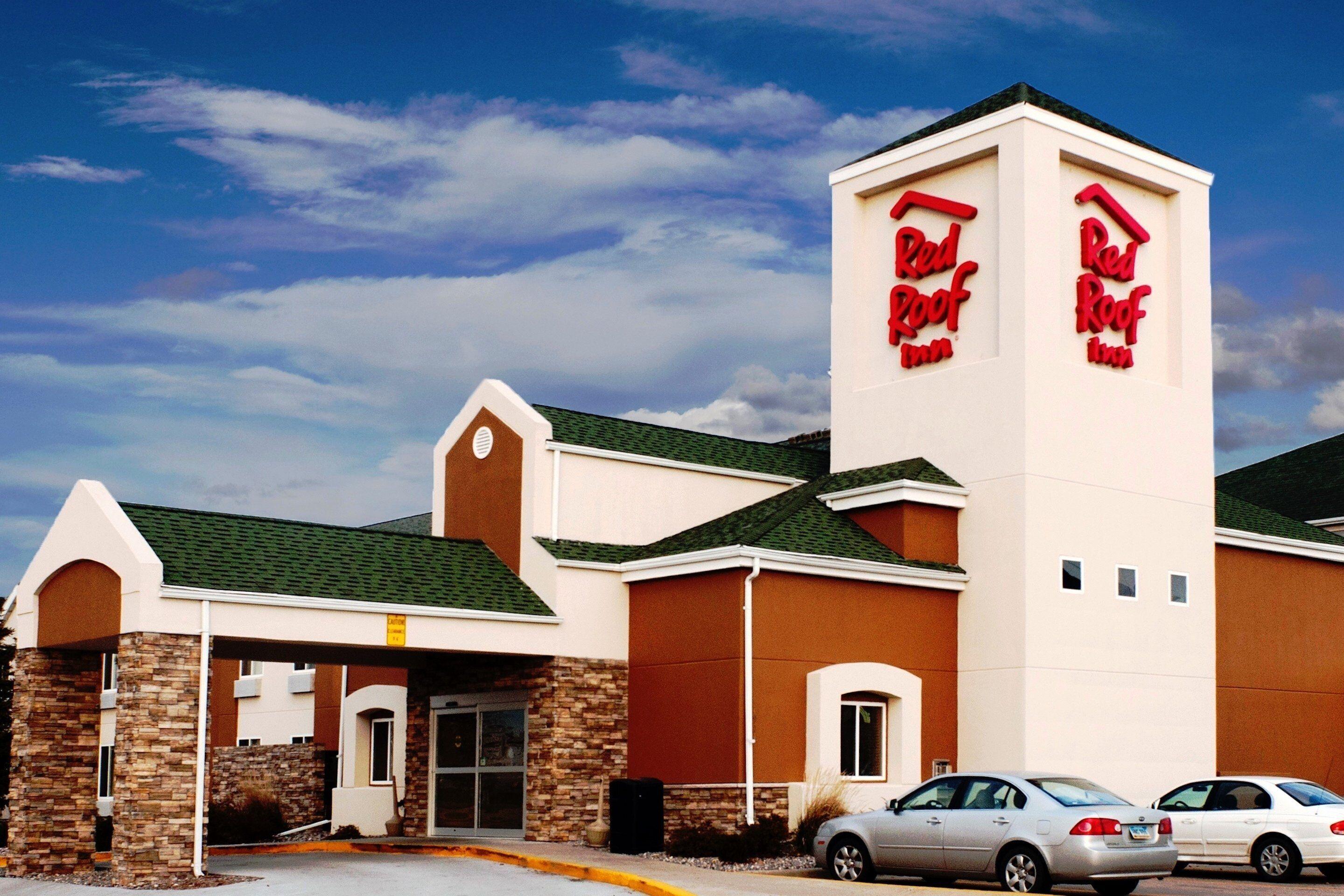
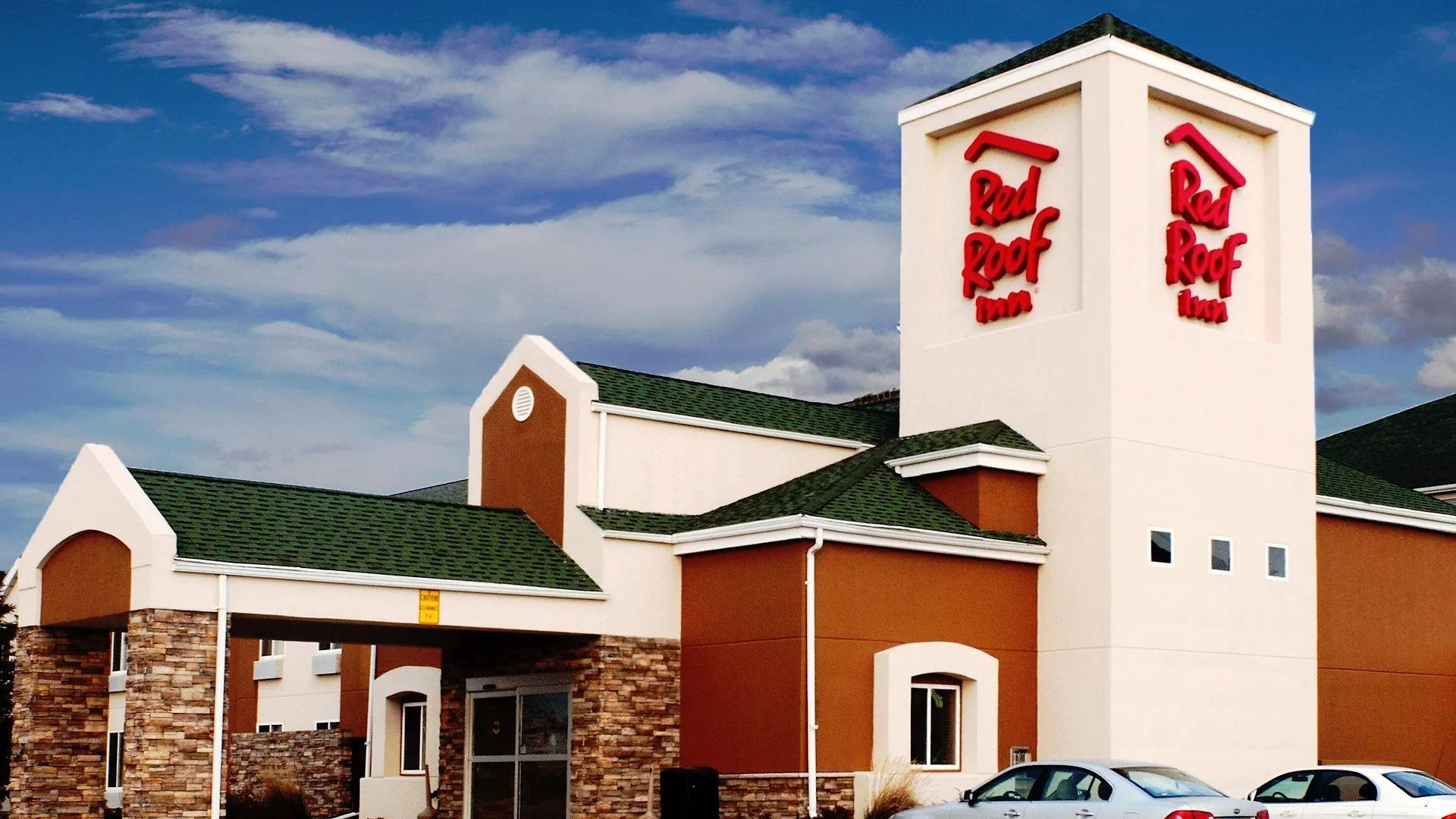
1. Red Roof Inn Fargo - I-94/Medical Center
Show on map


Just a few rooms left at the best rate!
fromUS$ 80
-
2. Dakota Inn
Show on map


Just a few rooms left at the best rate!
fromUS$ 45
-
3. Super 8 By Wyndham Minot Airport
Show on map


Just a few rooms left at the best rate!
fromUS$ 45
-
4. Quality Inn Columbia Mall
Show on map


Hurry – almost gone at this price!
fromUS$ 72
-
5. Sleep Inn & Suites Grand Forks Near Alerus Center
Show on map


Hurry – almost gone at this price!
fromUS$ 99
-
6. Guest Lodge
Show on map


Hurry – almost gone at this price!
fromUS$ 45
Best Mid-Range 2-Star Hotels in North Dakota
These properties offer more amenities - including restaurants, casinos, extended-stay kitchens, and stronger airport connections - while remaining within the 2-star tier in Fargo and Bismarck.
-
7. Ramada By Wyndham Fargo
Show on map


Rooms filling fast – secure the best rate!
fromUS$ 67
-
8. My Place Hotel-Bismarck, Nd
Show on map


Rooms filling fast – secure the best rate!
fromUS$ 95
-
9. Candlewood Suites Bismarck
Show on map


Rooms filling fast – secure the best rate!
fromUS$ 124
Smart Travel & Timing Advice for North Dakota
The best time to visit North Dakota for outdoor travel is June through September, when Theodore Roosevelt National Park, the Enchanted Highway, and Lake Sakakawea are all fully accessible without weather risk. July and August are peak season - hotel rates in Fargo and Bismarck climb noticeably, and availability near Alerus Center or the Fargodome drops fast around event weekends. Book at least 3 weeks ahead for summer stays in Grand Forks during UND football season or NDSU events in Fargo. September and early October offer a genuine sweet spot: temperatures are still comfortable, crowds thin out, and 2-star hotel rates can drop by around 20% versus peak summer pricing. Winter travel requires extra planning - North Dakota blizzards can close highways with little warning, so build buffer nights into any itinerary between November and March. For short trips, 2 nights in one city is typically the right duration; for a full state road trip covering Fargo, Bismarck, and Medora, plan for at least 5 nights total.