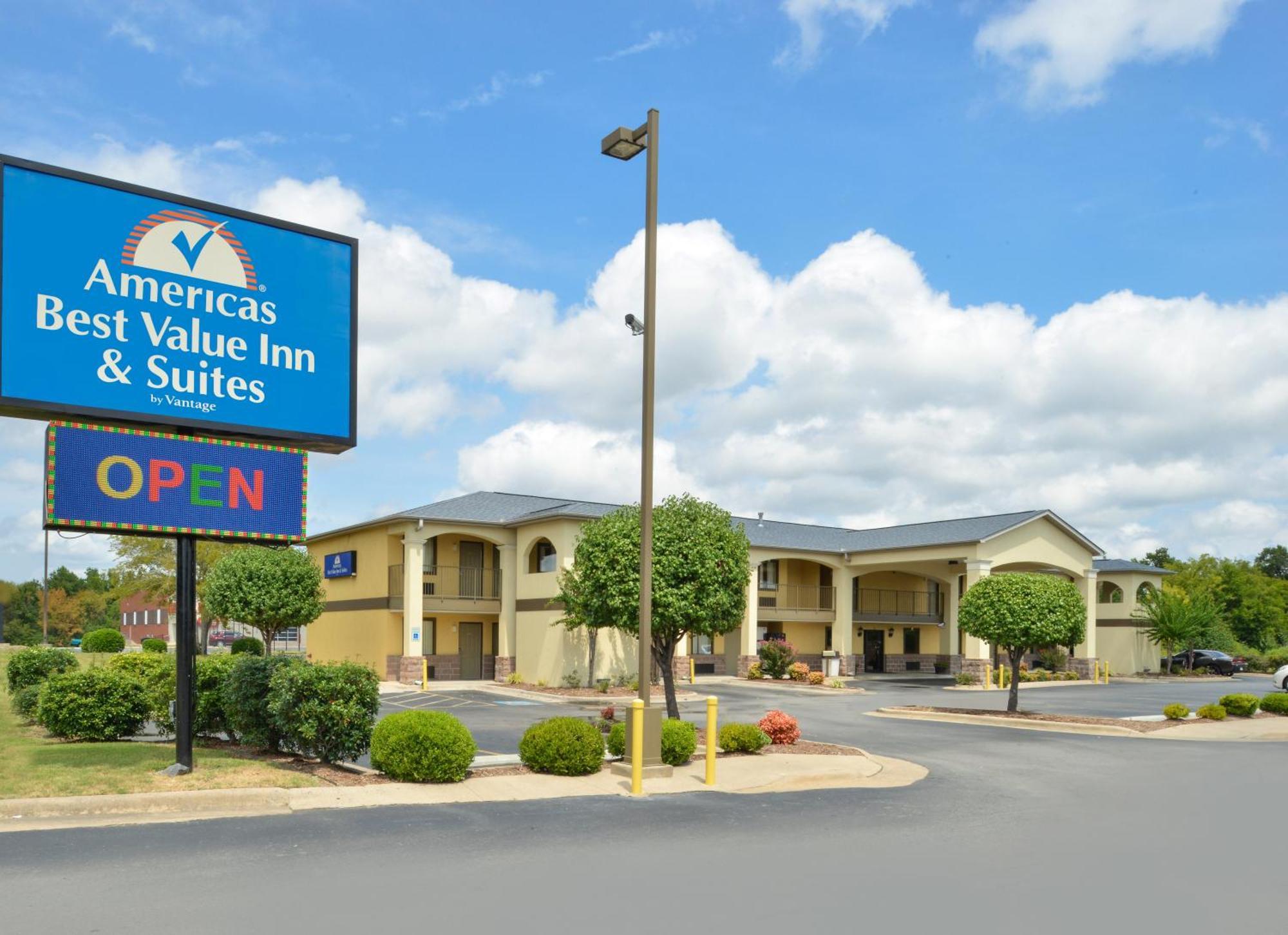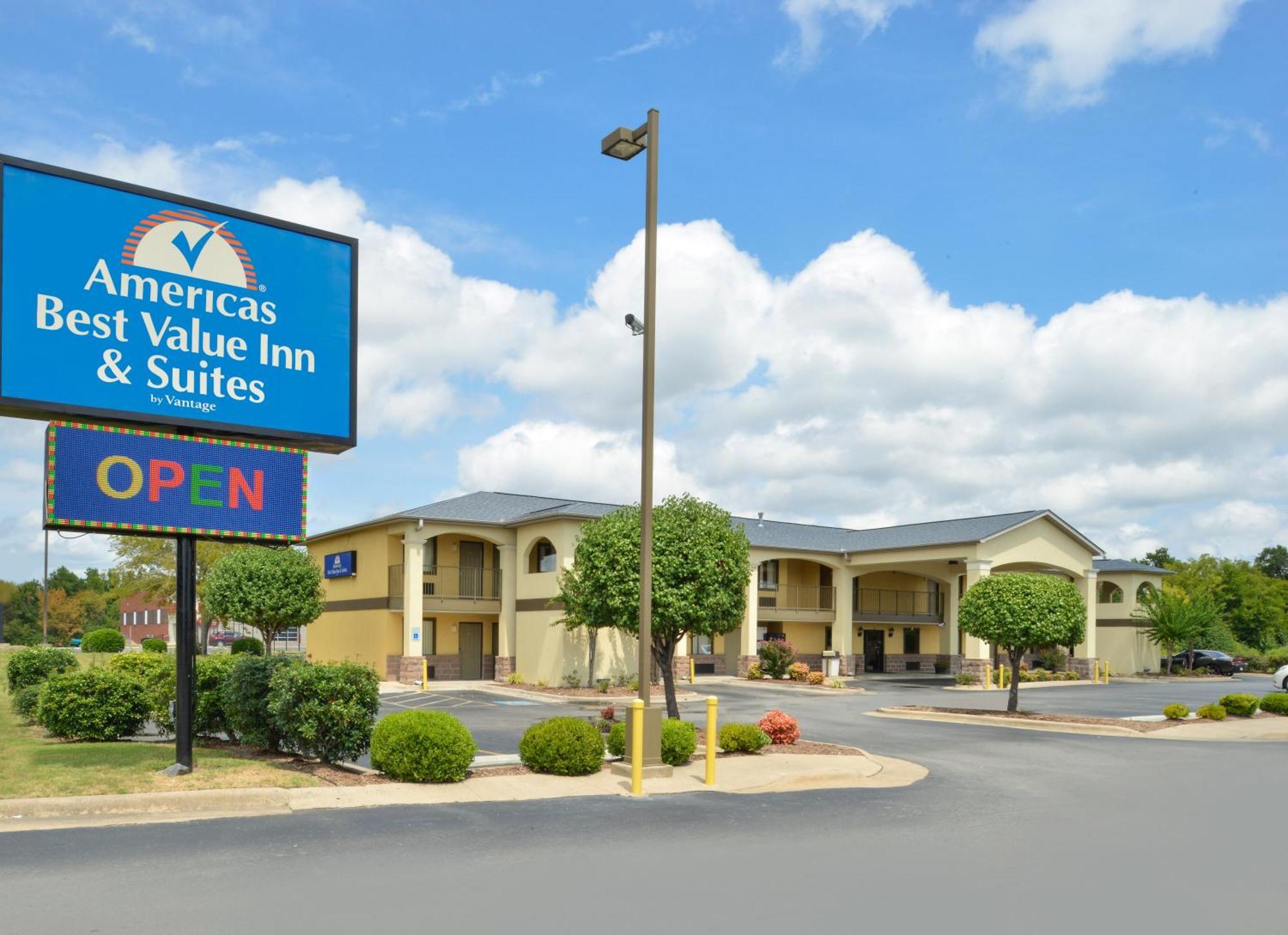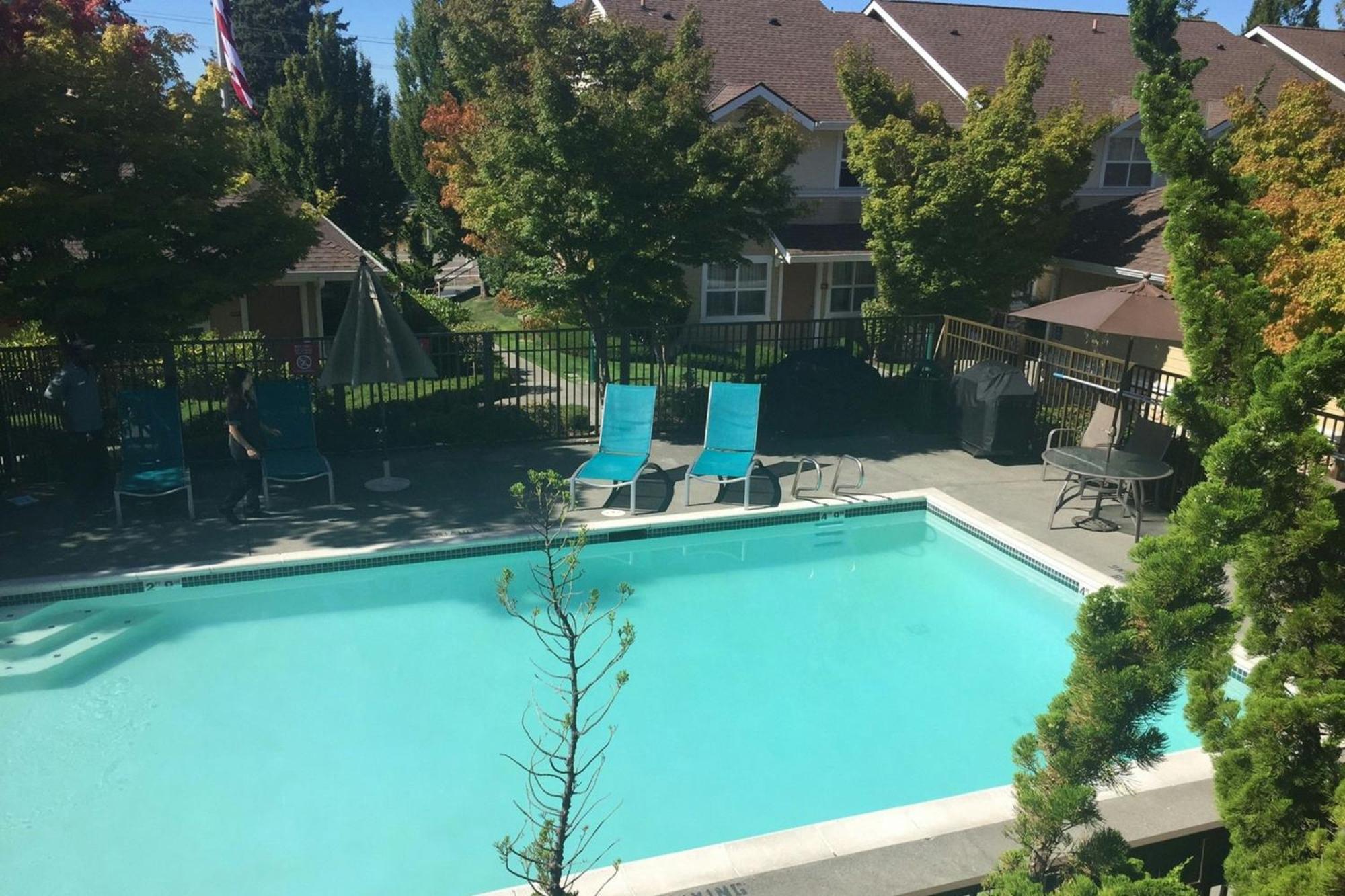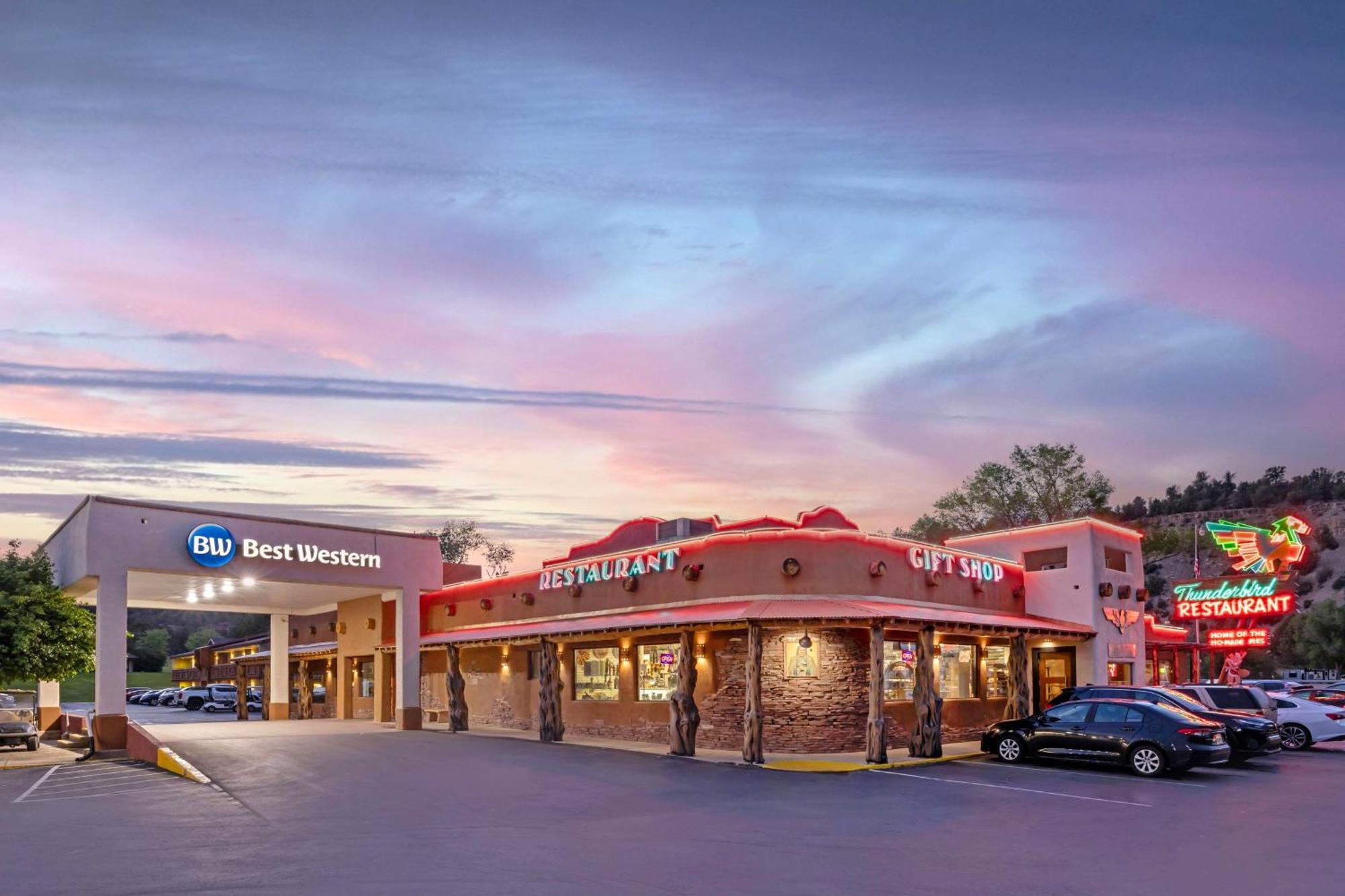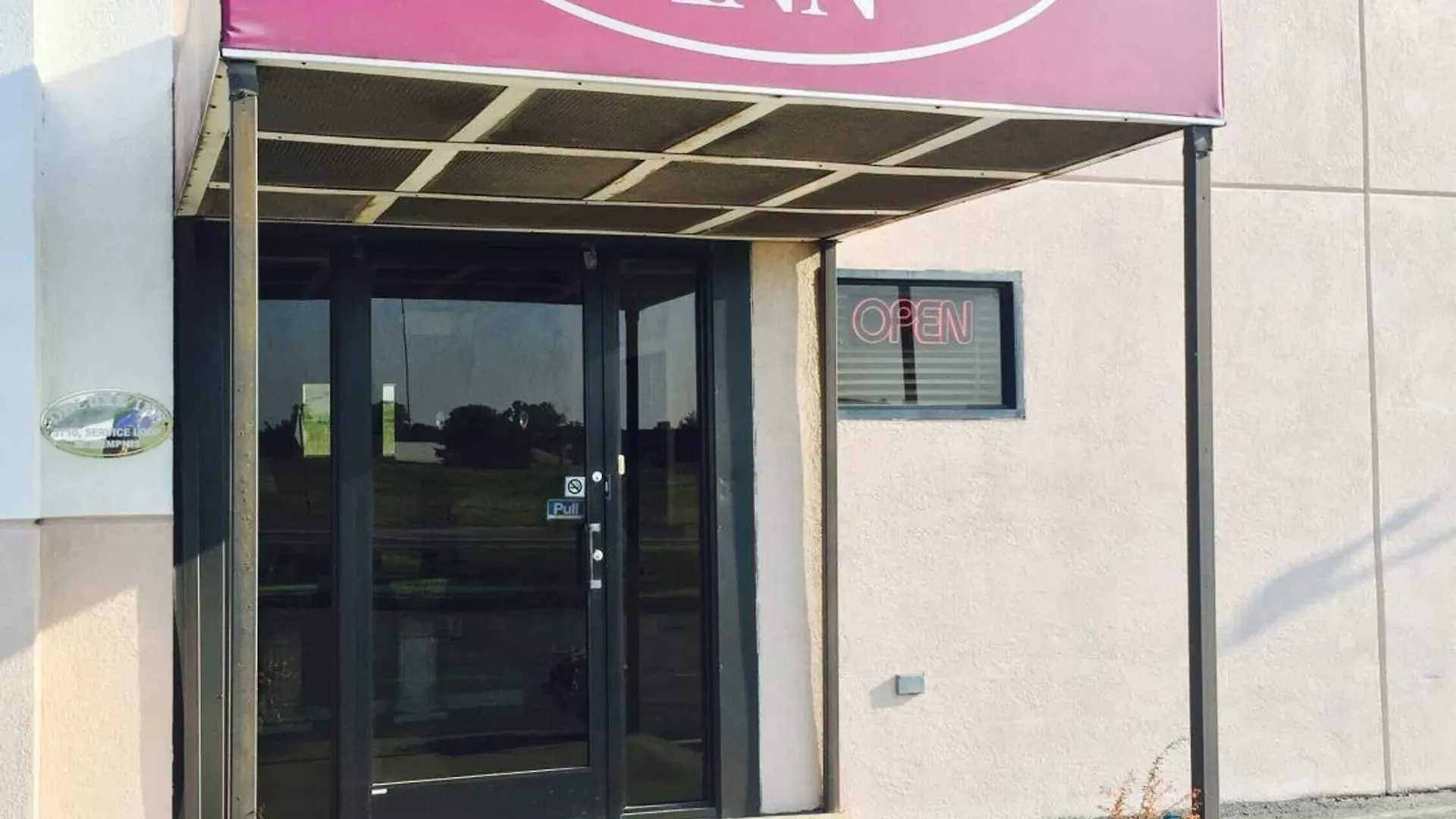
Arkansas offers a compelling mix of outdoor adventure, cultural history, and small-town charm that makes it a rewarding destination for leisure travelers. From the Ozark Mountains in the north to the Delta flatlands in the east, the state covers a wide geographic range that shapes where you stay and how you move. This guide covers 4 hotels across Arkansas and its border region to help you choose the right base for your trip.
What It's Like Staying in Arkansas
Arkansas is a largely rural state where driving is the primary mode of transportation - public transit is minimal outside Little Rock, and most attractions require a car. The state parks and natural landmarks like the Buffalo National River, Crater of Diamonds State Park, and Blanchard Springs Caverns draw outdoor-focused visitors rather than urban tourists. Leisure travelers who enjoy road tripping, fishing, hiking, or exploring small riverside towns will find Arkansas well-suited to their needs, while those expecting walkable city infrastructure or dense entertainment districts may find it limiting.
Crowds are generally manageable, with peak pressure concentrated around summer weekends at outdoor sites. Hotel rates stay competitive, often running well below the national average, making it easier to find comfortable accommodation without overspending.
Pros:
Arkansas's natural attractions - rivers, caves, and forests - are genuinely accessible and rarely overcrowded outside peak summer weeks
Accommodation costs across the state are among the most affordable in the South, with solid mid-range options in most towns
The state's central location allows day trips into Tennessee, Missouri, and Oklahoma without long drives
Cons:
Car rental or a personal vehicle is essentially mandatory - no meaningful intercity rail or bus network exists
Dining and entertainment options in smaller towns can be limited, especially late at night
Some areas, particularly the Delta region, have limited hotel supply, which reduces choice for last-minute bookers
Why Choose Leisure Hotels in Arkansas
Leisure hotels in Arkansas tend to prioritize comfort and practicality over luxury - expect reliable amenities like free parking, Wi-Fi, and in-room refrigerators rather than concierge services or spa facilities. Most properties are 2-star or 3-star motels and inns, which reflect the state's road-trip culture and price-conscious traveler base. The trade-off is real: rooms are functional and clean, but design-forward boutique experiences are rare outside Little Rock and Fayetteville. For leisure travelers primarily using their room as a base to explore, this format works well.
Price-to-space ratios are favorable in Arkansas - rooms tend to be larger than equivalent-priced urban hotels in neighboring states. Free parking is nearly universal across leisure properties, which is a meaningful practical advantage for road trippers.
Pros:
Free parking is standard across virtually all leisure hotel categories, eliminating a daily cost that adds up in larger cities
Room size and in-room amenities (microwaves, fridges, flat-screen TVs) are generally generous relative to the price point
Proximity to major highways makes early morning departures for outdoor activities straightforward
Cons:
On-site dining options are limited at most properties - many leisure hotels offer breakfast only or no food service at all
Design quality and room aesthetics lag behind what travelers find in metropolitan hotel markets
Pet policies vary significantly - some properties charge fees, making it worth confirming before booking with animals
Practical Booking & Area Strategy
Little Rock serves as the state's most connected hub, with Clinton National Airport offering direct flights to major U.S. cities - staying within around 50 kilometers of the airport gives you the most transport flexibility. Stuttgart, located in the Arkansas Delta about 79 kilometers from Clinton National, is a practical base for exploring the Grand Prairie region, known for rice farming and world-class duck hunting. Carlisle, roughly 52 kilometers from Little Rock, suits travelers who want a quiet overnight between drives without paying city-center prices. For travelers combining an Arkansas leg with a visit to Memphis, the West Memphis corridor provides a strategically useful gateway - you cross into Tennessee in under 10 minutes. Book at least 4 weeks in advance for summer weekends, particularly if you're visiting during duck season in late November through January when demand spikes sharply in the Delta. Outdoor attractions like Pinnacle Mountain State Park and Bathhouse Row in Hot Springs are most enjoyable from March through May, when temperatures are moderate and trails are uncrowded.
Best Value Stays
These properties offer reliable in-room amenities, free parking, and straightforward access to key Arkansas and border-region destinations - suited to leisure travelers prioritizing cost efficiency and road-trip convenience.
-
1. Deluxe Inn
Show on map


Just a few rooms left at the best rate!
fromUS$ 57
-
2. Rodeway Inn Nashville
Show on map


Just a few rooms left at the best rate!
fromUS$ 50
-
3. Days Inn By Wyndham Carlisle
Show on map


Hurry – almost gone at this price!
fromUS$ 92
Best Premium Option
For leisure travelers who want more in-stay amenities - particularly an indoor pool and room service - this Stuttgart property stands out as the most feature-complete option in the selection.
-
4. Quality Inn And Suites
Show on map


Rooms filling fast – secure the best rate!
fromUS$ 88
Smart Travel & Timing Advice
Spring - specifically March through May - is the most favorable window for leisure travel in Arkansas. Temperatures sit in a comfortable range, wildflower blooms appear along the Ozark trails, and accommodation rates haven't yet hit their summer ceiling. Summer weekends from late June through August drive the highest hotel demand, particularly near lakes, rivers, and state parks - booking at least 3 weeks ahead during this window is strongly advisable. Fall brings a second wave of visitors drawn by foliage and, critically, duck hunting season in the Delta, which runs from late November into January and causes sharp demand spikes in Stuttgart and surrounding towns. Winter is the quietest and cheapest period across most of the state - rates drop noticeably and crowds thin, though some outdoor attractions operate on reduced hours. For most leisure trips, 3 to 4 nights provides enough time to cover a geographic cluster - Ozarks, Little Rock and surrounds, or the Delta - without feeling rushed. Last-minute booking works well in winter but carries real availability risk during hunting season and summer holiday weekends.