Utah draws millions of visitors each year to its five national parks, red rock canyons, and high-desert landscapes that are unlike anywhere else in the continental United States. Whether you're road-tripping between Zion and Bryce Canyon or exploring lesser-known gems like the Little Grand Canyon near Price, choosing the right leisure hotel directly affects how much you enjoy - and recover from - each day on the trail. This guide cuts through the noise to help you compare the most practical leisure hotel options across the state, from gateway towns near national parks to mid-Utah base camps for regional exploration.
What It's Like Staying in Utah
Utah is a state built around outdoor adventure, with Zion, Bryce Canyon, Arches, Canyonlands, and Capitol Reef forming the celebrated Mighty 5 circuit that pulls travelers from every corner of the world. Distances between attractions are significant - driving from Salt Lake City to Zion's East Entrance takes around 4.5 hours, which means your hotel's location is a genuine logistical decision, not just a comfort preference. Gateway towns like Kanab, Springdale, and Mount Carmel Junction fill up fast during spring and fall peak seasons, so last-minute bookings often leave travelers settling for properties far from the trailheads they came to visit.
Urban hubs like Salt Lake City and Provo offer better transport infrastructure and more dining options, but they put you over an hour from most national park entrances. The traveler who benefits most from staying in Utah is one who plans ahead, rents a car, and uses strategically located hotels as nightly base camps rather than destinations in themselves.
Pros:
- Direct access to five UNESCO-recognized national parks within a single road trip loop
- Free parking is standard at most Utah leisure hotels, reducing daily travel costs
- Smaller gateway towns like Tremonton and Roosevelt offer authentic local atmosphere with minimal tourist crowds
Cons:
- Public transport between parks is nearly nonexistent - a rental car is essential for most itineraries
- Popular areas near Zion and Bryce Canyon book out around 8 weeks ahead during spring and fall
- Dining options in rural gateway towns are limited, especially after 9 PM
Why Choose Leisure Hotels in Utah
Leisure hotels in Utah are designed around the practical needs of outdoor travelers: early checkout, on-site parking for loaded vehicles and trailers, breakfast before sunrise hikes, and amenities that help you decompress after long days on rugged trails. Unlike business hotels concentrated in Salt Lake City or Provo, leisure-focused properties are scattered across the state's gateway towns, placing you within striking distance of trailheads rather than corporate parks. Rates at leisure hotels in gateway towns average around 30% less than comparable properties in Salt Lake City, while still delivering pools, breakfast, and free parking that road-trippers specifically need.
Room sizes at these properties tend to be straightforward - functional rather than spacious - but many include mini-fridges and microwaves that reduce reliance on expensive park-area restaurants. The trade-off is noise: hotels near I-15 or Highway 89 corridors can experience road noise, and pools may be smaller than resort-style properties. For travelers whose priority is maximizing time outdoors rather than time in the hotel, the value proposition is strong across Utah's leisure hotel segment.
Pros:
- Breakfast included at most leisure hotels, saving time and money on early departure mornings
- Free parking with RV, truck, and trailer accommodation available at several properties
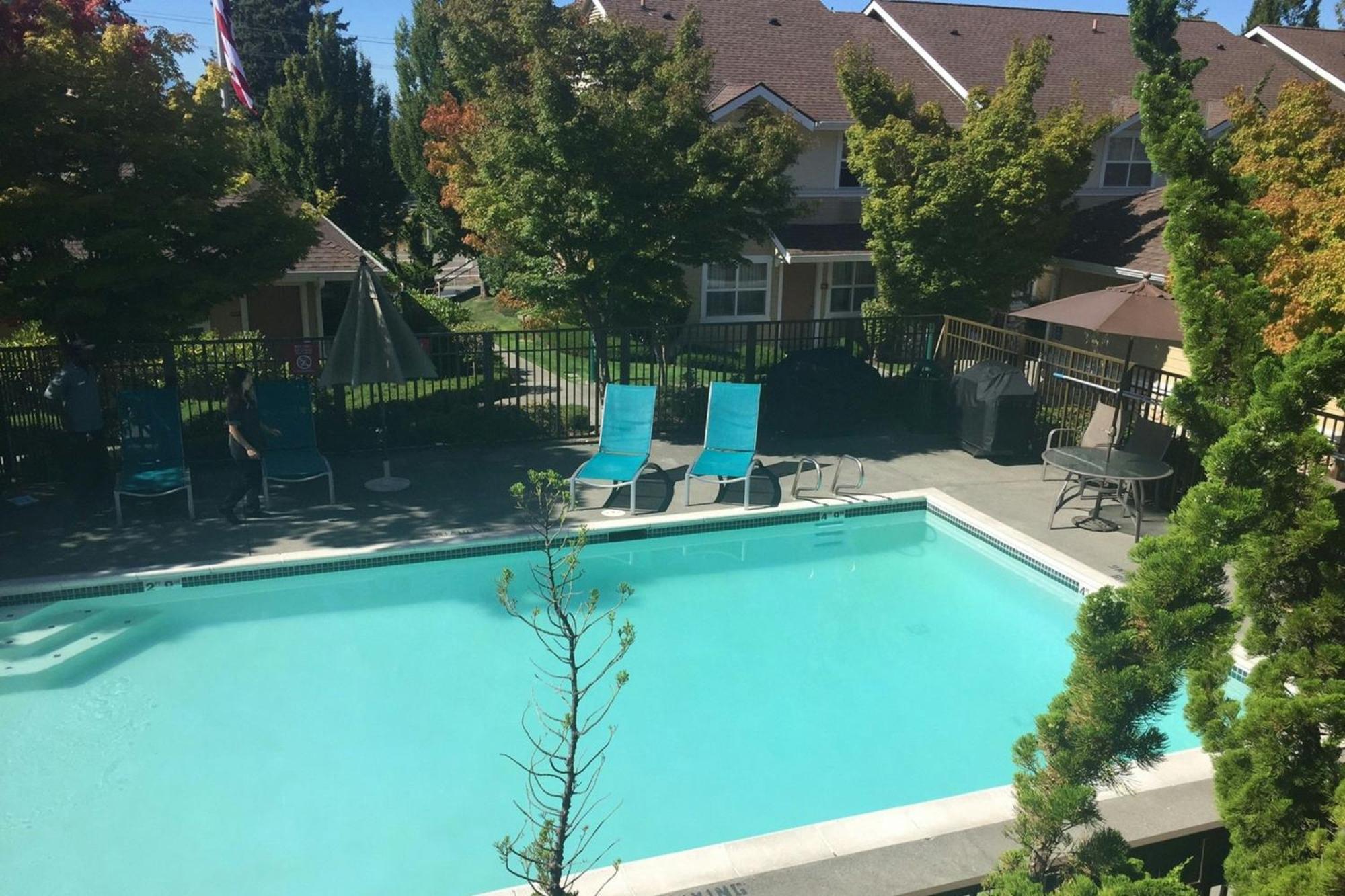
- Pools and hot tubs provide meaningful recovery after high-mileage hiking days
Cons:
- Front desks often close by 11 PM, which can be inconvenient for late-arriving travelers on long drives
- Limited on-site dining beyond breakfast - most properties have no full restaurant
- Rooms are functionally sized and not suited for travelers seeking resort-style space
Practical Booking & Area Strategy for Utah
Utah's geography makes city selection critical: staying in Payson or Tremonton positions you along the I-15 corridor for fast access to northern and central Utah, while properties near Mount Carmel Junction put you on the eastern approach to Zion National Park - a smarter base than Springdale if you're also planning to visit Bryce Canyon or the North Rim of the Grand Canyon. Roosevelt and the Uinta Basin are underused base camps for Dinosaur National Monument and Ashley National Forest, where crowds are a fraction of what you'll find at the Mighty 5. For Zion specifically, book at least 6 weeks ahead for spring visits (March through May), when the park sees its highest foot traffic and gateway accommodations fill completely. Travelers exploring the Little Grand Canyon near Price will find that central Utah towns like Price offer good value with far less competition for rooms, making them effective overnight stops on cross-state routes along Highway 6.
Best Value Leisure Hotels in Utah
These properties deliver the core needs of Utah leisure travelers - free parking, breakfast, Wi-Fi, and practical amenities - at rates that leave budget for park fees, gear, and dining along the route.
-
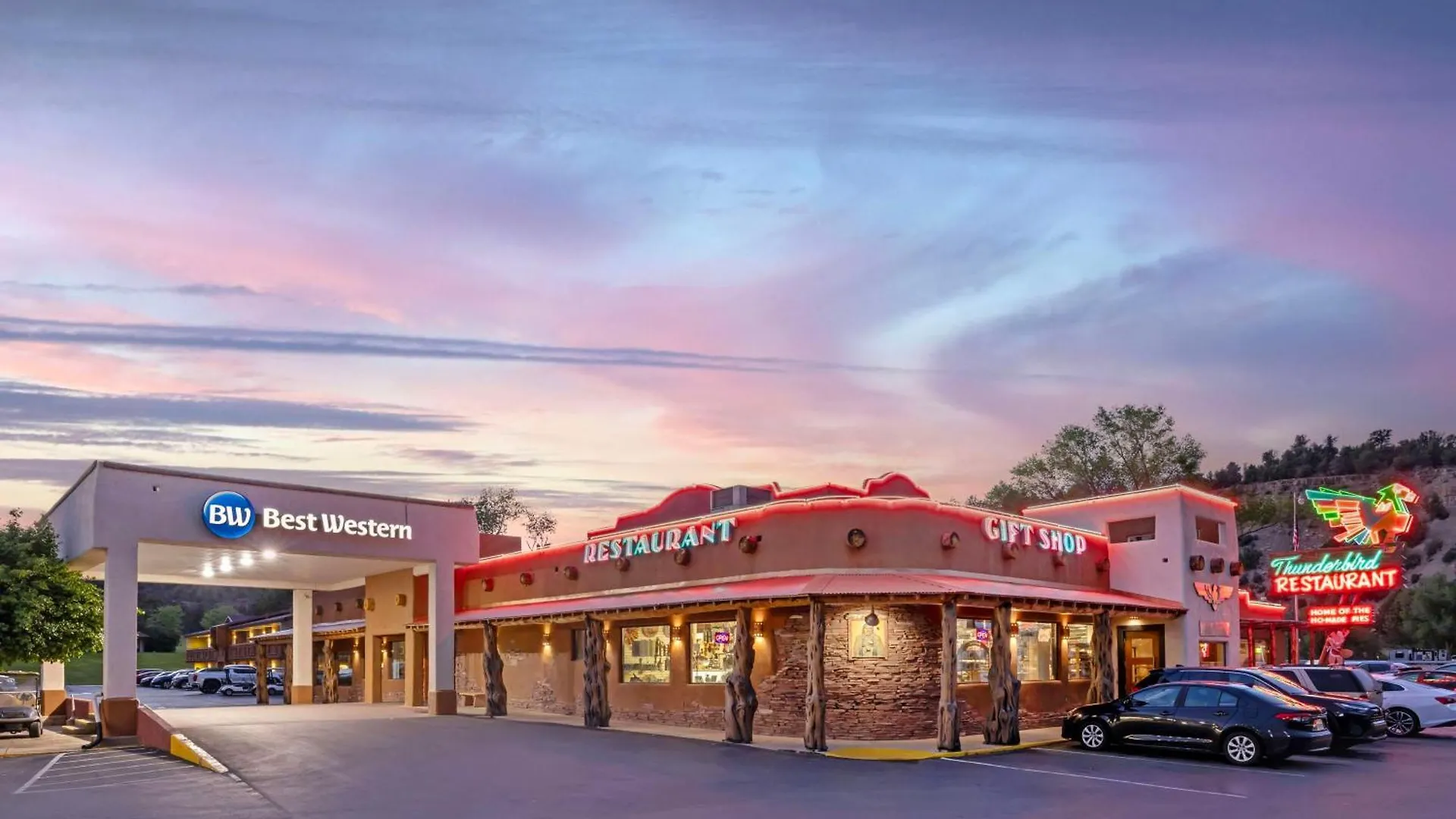
1. Best Western East Zion Thunderbird Lodge
Show on map


 Check-infrom 16:00 until 22:00Check-outuntil 11:00
Just a few rooms left at the best rate!
fromUS$ 125
-
2. Super 8 By Wyndham Price
Show on map


 Check-infrom 15:00 until 23:59Check-outuntil 11:00
Just a few rooms left at the best rate!
fromUS$ 70
-
3. Western Inn - Tremonton, Utah
Show on map


 Check-infrom 14:30 until 23:59Check-outuntil 11:00
Hurry – almost gone at this price!
fromUS$ 90
Best Mid-Range Leisure Hotels in Utah
These 3-star properties add indoor pools, fitness centers, and enhanced breakfast service - worthwhile upgrades for travelers spending multiple nights in one location or traveling with family.
-
4. Comfort Inn Ballard-Roosevelt
Show on map


 Check-infrom 14:00 until 23:59Check-outuntil 11:00
Hurry – almost gone at this price!
fromUS$ 150
-
5. Quality Inn Payson I-15
Show on map


 Check-infrom 14:00 until 23:59Check-outuntil 11:00
Rooms filling fast – secure the best rate!
fromUS$ 85
Smart Travel & Timing Advice for Utah
Utah's peak leisure travel season runs from late March through early June and again in September through October, when temperatures in canyon country are manageable and the landscapes are at their most photogenic. Summer heat in southern Utah regularly exceeds 100°F, pushing many hikers toward early morning starts and making a hotel pool a functional necessity rather than a luxury. Hotels near Zion's east entrance and along the Bryce Canyon corridor see the sharpest price spikes in April and May - booking around 6 weeks ahead for these periods is the minimum strategy for securing reasonable rates. Winter travel (November through February) offers dramatically quieter parks and lower hotel rates across the state, though some canyon roads close and snow chains may be required in higher elevations. For most leisure travelers, a Utah road trip of at least 7 nights is needed to cover three or more of the Mighty 5 without feeling rushed, with two-night stays at each gateway location giving enough time for both primary hikes and spontaneous detours.