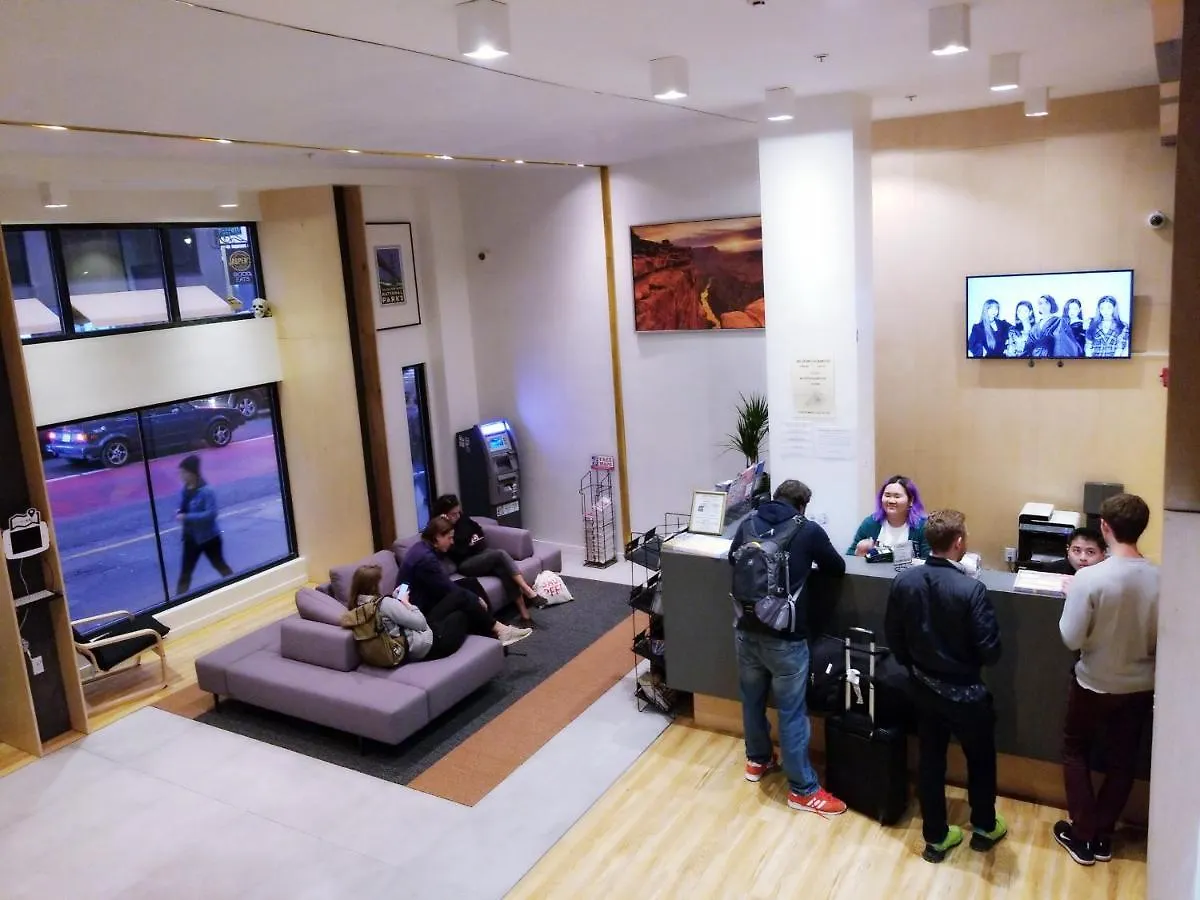
Lower East Side sits at a sharp intersection between old New York grit and contemporary culture - and it remains one of Manhattan's most competitively priced neighborhoods for budget-conscious travelers who still want to be within reach of the city's core. This guide breaks down the real logistics of staying here on a budget, from transport timing to street-level trade-offs, so you can book with confidence rather than guesswork.
What It's Like Staying In Lower East Side
Lower East Side occupies the southeastern edge of Manhattan, wedged between the East Village, Chinatown, and the waterfront - a position that gives you walkable access to multiple neighborhoods without paying Midtown prices. The F, J, M, and Z subway lines run through Delancey and Essex Street stations, putting you around 20 minutes from Midtown by train. The neighborhood operates on a late-night rhythm: bars and venues stay active past 2 AM, street noise peaks on weekends, and foot traffic along Orchard Street and Ludlow Street rarely dies down before midnight.
Pros:
- Direct subway access to Midtown, Brooklyn, and Downtown without transfers
- Concentrated dining, nightlife, and cultural venues within a 10-minute walk
- Significantly lower hotel rates compared to SoHo or the East Village blocks north
Cons:
- Weekend night noise from bars and live music venues can be disruptive
- Fewer large grocery stores and convenience options compared to Midtown
- Some blocks feel quieter and less polished than neighboring districts, which can feel disorienting at night
Why Choose Budget Hotels In Lower East Side
Budget hotels in Lower East Side typically land well below the Manhattan average, making them a realistic entry point for travelers who want a real New York address without the financial strain of staying in Midtown or the Financial District. Room sizes in this tier are compact - expect standard doubles in the 180 to 220 square foot range, with shared bathrooms common in hostel-style properties. The value-per-location ratio here is among the strongest in Manhattan, particularly for solo travelers and pairs who spend most of their day out exploring. The trade-off is clear: you're choosing cost efficiency over space and luxury finish, and weekend nights near Delancey Street will test light sleepers.
Pros:
- Some of the lowest nightly rates available in a Manhattan neighborhood with genuine subway access
- Close to Brooklyn Bridge, Two Bridges, and Chinatown - no taxi needed for key attractions
- Hostel and budget hotel mix gives flexibility for solo travelers versus couples or small groups
Cons:
- Shared facilities are standard at the lowest price tiers - private bathrooms cost more
- Limited on-site amenities such as gyms, room service, or concierge compared to uptown properties
- High weekend demand from locals and visitors can push even budget rates up sharply
Practical Booking & Area Strategy
For the best positioning in Lower East Side, prioritize properties within two blocks of Delancey Street or Essex Street - these give you immediate subway access and keep you central to the neighborhood's food and nightlife corridor. Orchard Street and Ludlow Street are the cultural spine of the area, home to the Tenement Museum, independent boutiques, and some of the city's most respected dive bars and tasting menus side by side. The High Line, Brooklyn Bridge, and One World Trade Center are all reachable in under 30 minutes by subway or on foot depending on your starting block.
Book at least 6 weeks ahead for stays between April and June or September and October - these are the peak shoulder months when budget inventory in Manhattan disappears fastest. If you're visiting for New York Fashion Week or a major event at the Barclays Center, rates across all budget tiers can spike sharply with almost no last-minute availability. For a genuine feel of Lower East Side, spend time at the Essex Market, walk the Williamsburg Bridge ramp for skyline views, and check what's on at venues like Mercury Lounge or Pianos - all within walking distance of most accommodations in this area.
Best Value Stays
These properties offer the strongest cost-to-location balance for travelers prioritizing budget and subway access over room size or private facilities.
-
1. Orange Village Hostel
Show on map


 Check-infrom 15:00 until 23:30Check-outfrom 01:00 until 11:00
Just a few rooms left at the best rate!
fromUS$ 37
-
2. Amsterdam Hostel
Show on map


 Check-infrom 15:00 until 23:59Check-outuntil 10:00
Just a few rooms left at the best rate!
fromUS$ 29
-
3. Herbert Hotel
Show on map


 Check-infrom 15:00 until 23:59Check-outuntil 11:00
Hurry – almost gone at this price!
fromUS$ 60
Best Mid-Range Budget Picks
These properties add a layer of comfort and private room amenities while keeping rates meaningfully below standard Manhattan hotel pricing.
-
4. Hotel Des Arts
Show on map


 Check-infrom 15:00 until 23:59Check-outuntil 11:00
Hurry – almost gone at this price!
fromUS$ 62
-
5. Super 8 by Wyndham San Francisco/Union Square Area
Show on map


 Check-infrom 15:00 until 23:59Check-outuntil 11:00
Rooms filling fast – secure the best rate!
fromUS$ 88
-
6. Hotel Ikon
Show on map


 Check-infrom 15:00 until 21:30Check-outuntil 11:00
Rooms filling fast – secure the best rate!
fromUS$ 92
Smart Travel & Timing Advice for Lower East Side
Lower East Side hotel rates follow Manhattan's broader seasonal pattern but with sharper weekend premiums driven by nightlife demand. September and October are the most competitive months for budget availability - fall brings high visitor volume, fashion events, and cultural programming that compress inventory across all price tiers. January and February offer the lowest average nightly rates in the neighborhood, sometimes dropping significantly below the rest of the year, and the area's bar and restaurant scene remains active year-round regardless of temperature. March through May brings milder weather and moderate crowds, making it the window with the best balance of price and conditions for first-time visitors.
A stay of around 4 nights gives you enough time to cover Lower East Side properly alongside day excursions to Brooklyn, Midtown, and the waterfront without feeling rushed. Book at least 5 weeks ahead for weekend stays in high season - last-minute budget availability in Manhattan is genuinely scarce, and prices on the final days before arrival rarely reflect good value. If you're flexible on check-in day, Sunday and Monday nights consistently undercut Friday and Saturday rates by a meaningful margin even within the same property.