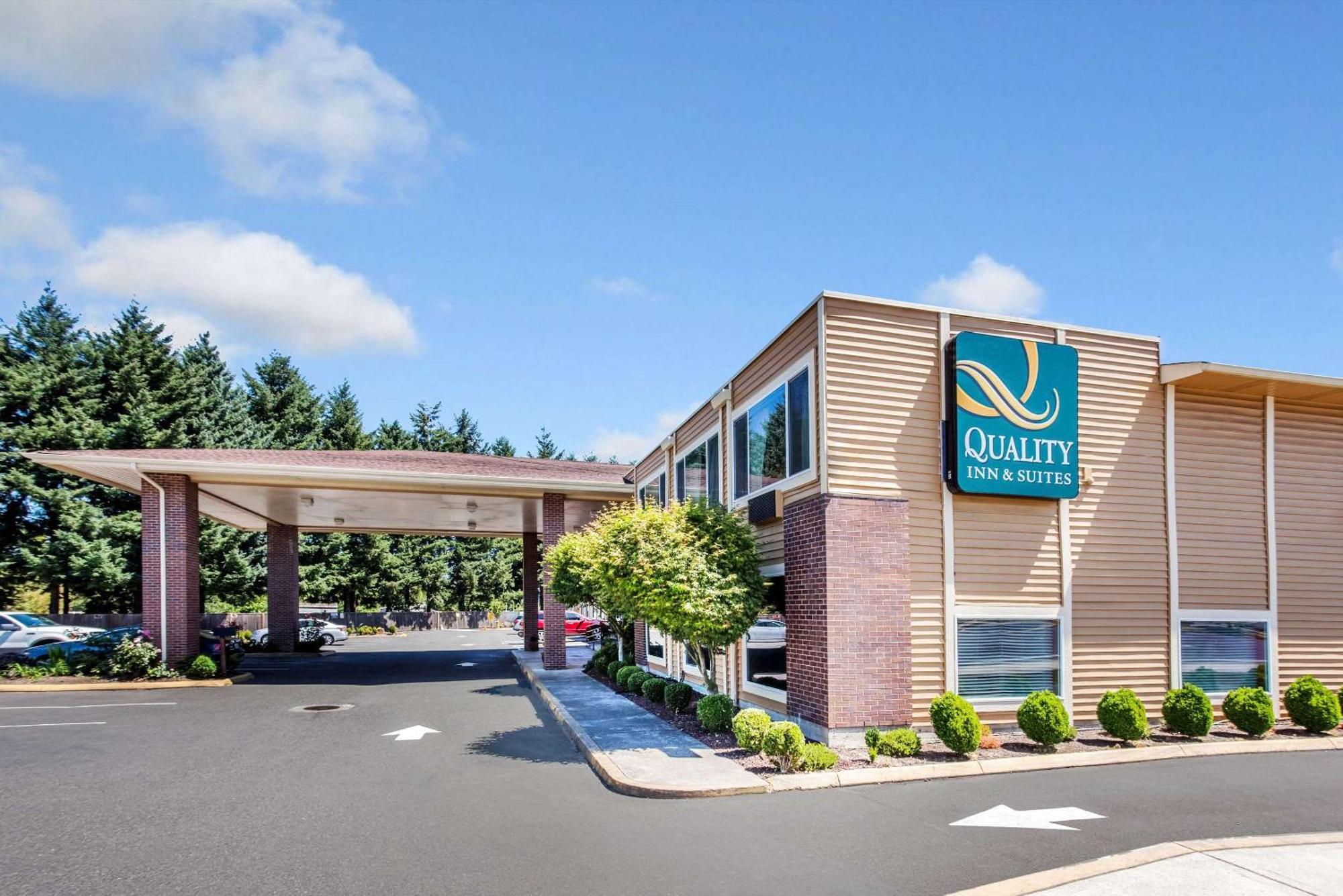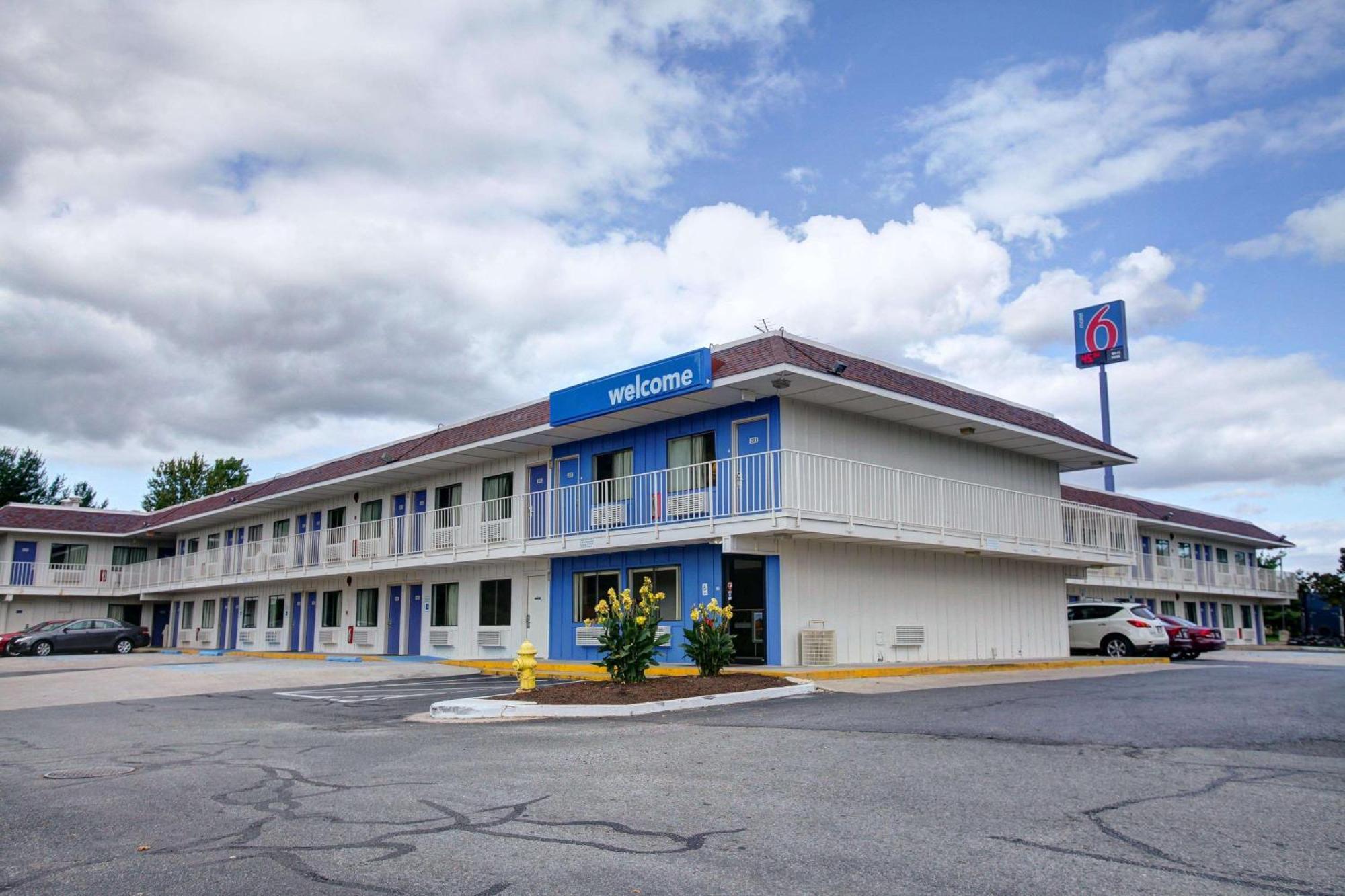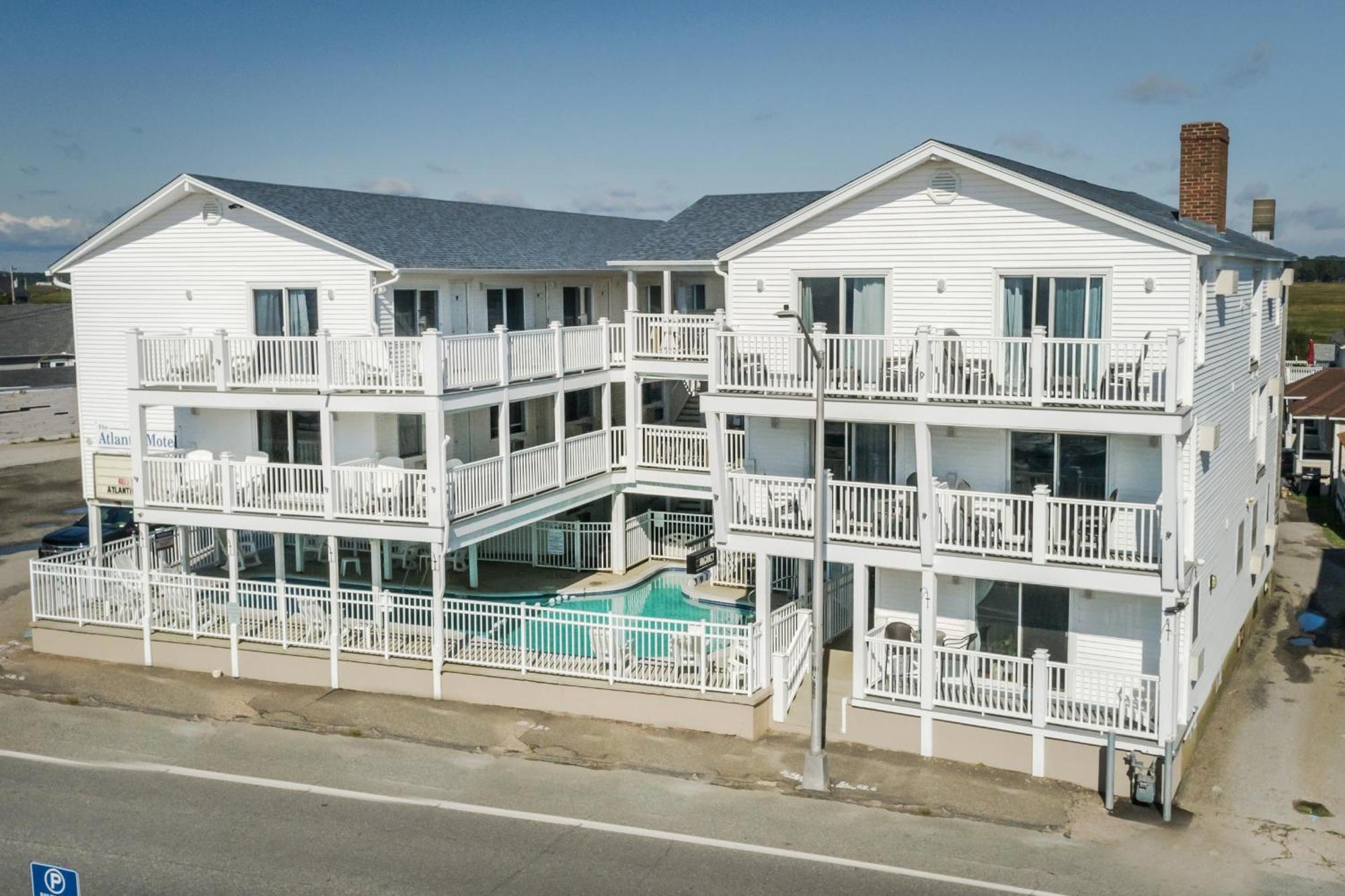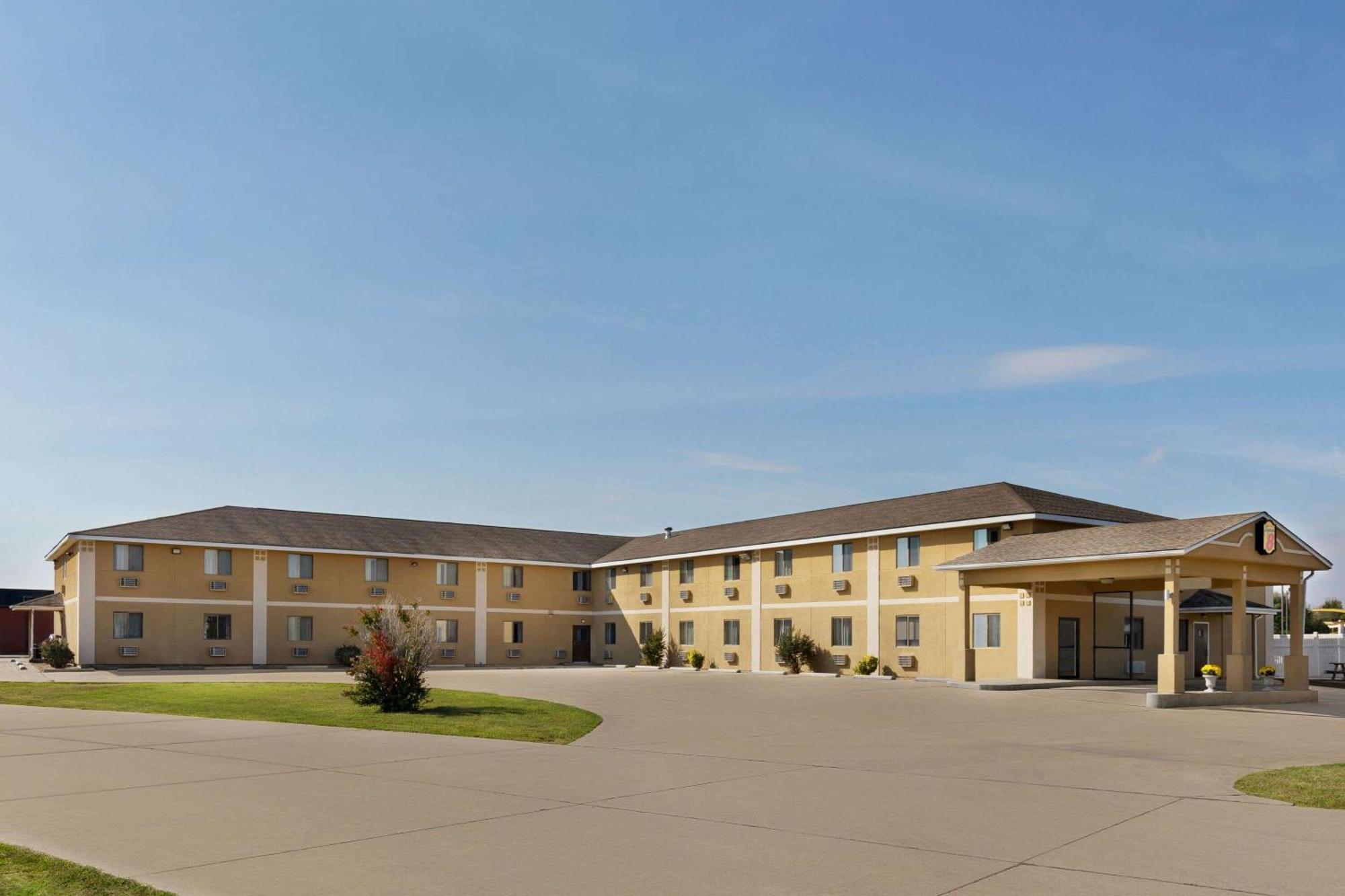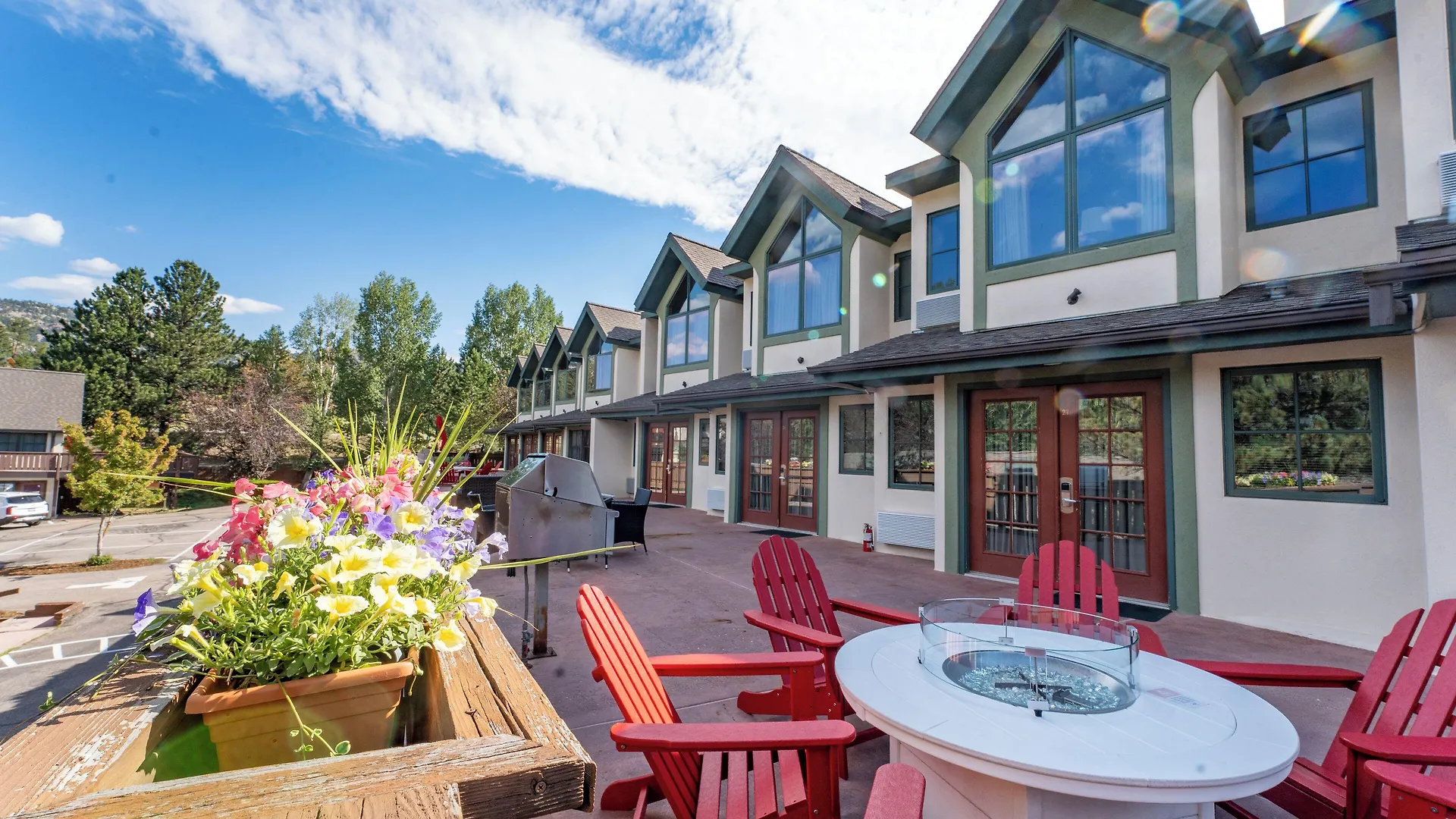
Roosevelt National Forest spans over 780,000 acres of Colorado's Front Range, covering rugged terrain between Estes Park in the north and the Boulder foothills in the south. Travelers looking for 3-star hotels near Roosevelt National Forest typically base themselves in gateway towns like Estes Park, Fort Collins, or the Denver metro suburbs, where mid-range accommodations strike a balance between mountain access and everyday convenience. This guide breaks down the most practical options across those corridors so you can match your base camp to your itinerary.
What It's Like Staying Near Roosevelt National Forest
Roosevelt National Forest doesn't have hotels inside its boundaries - accommodation clusters in the surrounding gateway communities, each with its own access rhythm. Estes Park sits at the eastern edge of Rocky Mountain National Park and is the most scenic base, but Fort Collins and the Denver suburbs like Westminster, Arvada, and Lakewood offer far more lodging variety and faster highway access. Crowd pressure in Estes Park peaks sharply from June through August, when Trail Ridge Road draws heavy RV and day-tripper traffic, while the Denver-side gateways stay manageable year-round. Hikers, wildlife watchers, and anyone targeting the Poudre Canyon or Indian Peaks Wilderness will find a suburban base surprisingly efficient for early morning trailhead departures.
Pros:
- Gateway towns like Estes Park and Fort Collins provide real mountain atmosphere without wilderness camping logistics
- Suburban bases in Westminster and Arvada cut highway drive times to under an hour for most Front Range trailheads
- Around 300 miles of maintained trails accessible from Roosevelt National Forest suit hikers of all fitness levels
Cons:
- No lodging exists inside the forest itself, so every visit requires a daily drive to trailheads
- Estes Park accommodations sell out around 8 weeks in advance during summer peak season
- Denver suburb bases add freeway driving time in morning rush hours for early trail starts
Why Choose 3-Star Hotels Near Roosevelt National Forest
Three-star hotels in this corridor consistently deliver full kitchenettes or in-room kitchen setups - a practical advantage for multi-day forest visits where packing trail lunches and storing groceries matters. Unlike budget motels near the forest, 3-star properties in this region typically include fitness centers, free parking, and structured breakfast options, which simplifies logistics when you're planning full hiking days. Compared to higher-tier Denver hotels, these mid-range properties are priced around 40% lower while still offering reliable WiFi, clean private bathrooms, and 24-hour front desks. The trade-off is that properties closer to the forest in Estes Park are smaller in scale, while suburban options in Lakewood or Westminster offer more amenities but require longer drives to remote trailheads.
Pros:
- In-room kitchenettes at most 3-star options reduce daily food costs significantly during multi-night forest trips
- Free parking is standard across nearly all properties in this tier, critical for trailhead car logistics
- Fitness centers and hot tubs help muscle recovery after full days on steep Roosevelt National Forest terrain
Cons:
- Estes Park 3-star properties tend to have fewer rooms and book out faster than suburban equivalents
- Some suburban locations require a 45-minute or longer drive to reach northern Roosevelt National Forest trailheads near Fort Collins
- On-site dining is limited at most 3-star options - restaurant access depends heavily on the specific town
Practical Booking & Area Strategy for Roosevelt National Forest
For access to the northern sections of Roosevelt National Forest - including the Cache la Poudre Wild and Scenic River corridor and the Rawah Wilderness - Fort Collins is the most strategically placed base, sitting directly on US-287 with multiple forest access roads branching west within 30 minutes. Estes Park works best for combining forest hiking with Rocky Mountain National Park itineraries, but parking in Estes Park Village fills by 9 AM on summer weekends, making early departure essential. Westminster and Arvada serve travelers who want Denver airport convenience while still accessing southern Roosevelt National Forest sections and the Indian Peaks Wilderness via Boulder Canyon. Book at least 6 weeks ahead for any Estes Park property between Memorial Day and Labor Day - last-minute availability in that window is almost nonexistent. Popular Roosevelt National Forest activities include fly fishing the Poudre River, snowshoeing near Cameron Pass in winter, mountain biking the Sourdough Trail, and elk watching during the September rut near Estes Park.
Best Value Stays
These properties deliver strong practical value for Roosevelt National Forest visitors - full kitchen setups, free parking, and solid connectivity at competitive mid-range rates across key gateway locations.
-
1. Appenzell Inn
Show on map


 Check-infrom 16:00 until 21:00Check-outuntil 11:00
Just a few rooms left at the best rate!
fromUS$ 111
-
2. Uptown Suites Extended Stay Denver Co -Westminster
Show on map


 Check-infrom 15:00 until 23:59Check-outuntil 12:00
Just a few rooms left at the best rate!
fromUS$ 67
-
3. Candlewood Suites Fort Collins By Ihg
Show on map


 Check-infrom 15:00 until 23:59Check-outuntil 11:00
Hurry – almost gone at this price!
fromUS$ 110
Best Premium Stays
These properties step up in amenities - adding buffet breakfasts, indoor pools, restaurant access, and stronger all-around infrastructure for travelers who want more comfort built into their forest trip base.
-
4. Residence Inn By Marriott Arvada Denver West
Show on map


 Check-infrom 15:00 until 23:59Check-outuntil 12:00
Hurry – almost gone at this price!
fromUS$ 169
-
5. Best Western Denver Southwest
Show on map


 Check-infrom 15:00 until 23:59Check-outuntil 11:00
Rooms filling fast – secure the best rate!
fromUS$ 168
Smart Timing & Booking Advice for Roosevelt National Forest Trips
Roosevelt National Forest sees its heaviest visitation between late June and early September, when wildflower meadows bloom above 10,000 feet and trail conditions are reliable across all elevations. Estes Park accommodations should be booked at least 6 weeks in advance for any summer weekend stay - walk-in availability in peak season is essentially zero. Fort Collins and Denver suburban properties remain available with shorter lead times but still see price increases of around 30% during summer holiday weekends. The shoulder seasons - late September through October and May through early June - offer the best combination of lower rates, manageable crowds, and spectacular conditions: fall elk rut near Estes Park and spring snowmelt fishing on the Poudre River are both underrated draws. Winter visits between December and March work well for snowshoers and backcountry skiers targeting Cameron Pass, with suburban hotel rates dropping significantly and road access remaining open to most lower-elevation trailheads. A minimum of three nights is recommended to justify the drive time from Denver and meaningfully explore different zones of the forest.